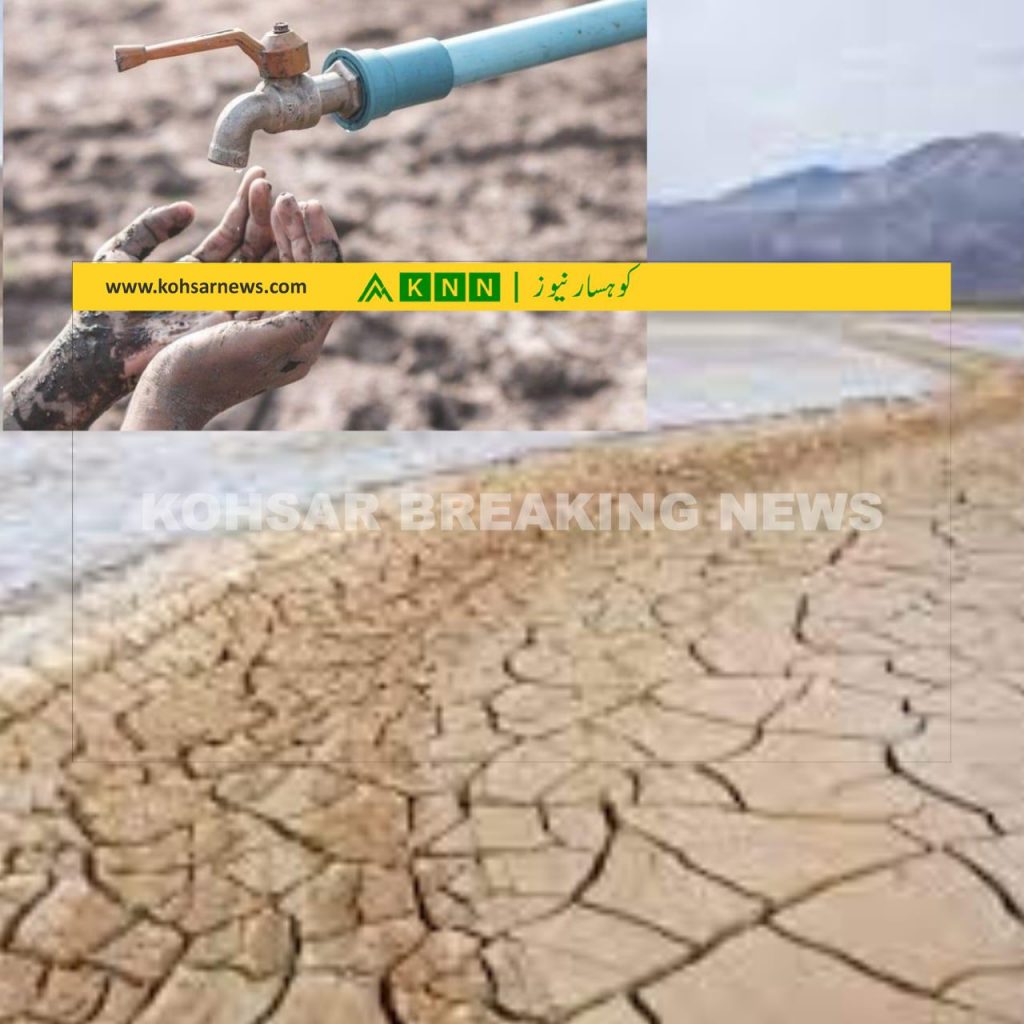
Water crisis is the absence of water resources to meet the water demand. The two types of water scarcity are physical water scarcity or economic water scarcity. Today seven out of ten people can count on having running water in their homes. The water flows from the risers to connecting mains. Water crisis is a global problem that keeps getting worse day by day. Humans, animals, plants and literally every creature existing needs water to survive, it is something that you can,t be alive without.
But the problem is that planet earth is lacking water resources which maybe a big complication for the present generation and the future generation because it is something that is necessary for living. Humans are the number one creatures that are desperate for water. With that the water demand is also increasing as much as the waters are decreasing and this is because of the widely increasing of the world’s population which is why the water scarcity is taking place.
The demand of water these days is rationally more than the availability of water resources. Meanwhile people’s living standards are improving, consumption patterns are changing. With water crisis there is also a lot of climate change with flood, drought and very heavy rain because of that deforestation is also increasing.
People are constantly wasting water and using it without being careful not knowing that these minor irresponsibilities are what is causing this global issue. The water crisis also increases the health issues. Nearly 1 million people die every year due to unhygienic water and no sanity due to which the health crisis increase and a lot of people die because of consuming unhealthy dirty water. Every other minute a child dies from a water related disease. Every single being is affected by water crisis. Water crisis also affect the women and their living in many ways.
It is a very frightening situation that is happening in the world. Over the last few decades, earth has drastically changed from being a water abundant place to a water-stressed place because of the huge waste of water taking place. Earth is the only planet in the universe that’s covered in water. Water crisis can take place because of various reasons especially when the demand for water may be exceeding supply. Water infrastructure maybe unequal it is an increasing problem on every It continent, with poor communities affected. Amount of water that can be physically accessed varies as supply and demand changes. Water scarcity intensifies as demand increases and/or as water supply is affected by decreasing quantity or.. .quality
As the global population increases, and resource-intensive economic development continues, in many countries’ water resources and infrastructure are failing to meet accelerating demand. Climate change is making water crisis even worse. When water gets dry people can’t water their crops or consume it. However, freshwater—the stuff we drink, bathe in, irrigate our farm fields with—is incredibly rare. Only 3% of the world’s water is fresh water, and two-thirds of that is tucked away in frozen glaciers or otherwise unavailable for our use. Not only that but water crisis also cause a decline in the economy and disease like typhoid, dengue will increase as well. There will also be economic consequence because of it business will be forced to lay off some of their resources. Water crisis may also increase the mortality and the death rate of newborns to old people.
It is not a problem we see every day, but with ever-increasing global urban populations and unpredictable weather around the world, water scarcity is a problem that is becoming more important to all of us.It also has a huge affect on the food production and shelter. There will be reduced photosynthesis, wilting of plants and reduced respiration, it is pretty clear that there will be nothing left on earth without water because it is one of the most precious things to ever happen to earth. It has been said so many times that ‘water is a lifeline that binds us together. Water shortage is reaching an alarming level which may not at all be good for the future generations. Water unites us but it may also seperates us all.Because of how people are getting desperate for every drop of it. Water shortages are brewing wars. There will be a time when countries will fight over water and every drop of it. Over 2 billion people lack access to water that is safe to drink. The problem is particularly acute in poor rural areas, where a lack of infrastructure leaves people to rely on open springs and shallow wells .that are easily contaminated by human and animal waste.
Unsafe water is responsible for more than 1.2 million deaths each year. It’s a leading risk factor for infectious diseases, exacerbates malnutrition, and is the most common cause of diarrhea. Diarrhea is, in turn, the world’s second-leading cause of child mortality, claiming the lives of an estimated 525,000 children under five every year.
It doesn’t have to be this way.
Chlorination is a WHO-endorsed approach to improving water quality, and is routinely used in water systems around the world. Chlorine is effective at killing pathogens and provides protection for up to three days, ensuring water isn’t recontaminated when stored at home. However, individually packaged chlorine has an adoption rate of just 10%.
Our network of over 28,000 chlorine dispensers provides over 4 million people, including over 570,000 children under five, with access to safe water. Across rural Kenya, Uganda, and Malawi, we consistently provide water treatment in areas that aren’t reached by municipal systems – and at no cost to users or their communities. We leverage human-centric design, behavioral economics, community partnerships (including over 54,000 volunteers!) and an efficient last-mile network to achieve an average adoption rate of over 60%. We estimate that between 2013-2021, the program averted over 1.3 million cases of diarrhea among children under five.Water is one of the most precious resources on the planet. More than 1 billion people do not have access to a source of clean drinking water, and around 3 billion experience water scarcity at least one month per year.
What is the definition of water scarcity? What are its causes and effects? And most importantly, how to overcome the water scarcity problem?
Italy has declared a state of emergency as its longest river dries up, California is in the grip of its worst drought for 1,200 years, and Germany’s Rhine river is so low that barges can no longer transport key supplies across it. At the same time, the neon-clad cities of Las Vegas in the US and Seoul in South Korea, as well as areas across Pakistan, have experienced unprecedented flooding from record rainfall. And what about the rain that is falling? It contains “forever chemicals” found in plastic and other manmade materials and is now unsafe to drink…everywhere on Earth.
There is no question—weather cycles are out of whack, and the connections between the twin water and climate crises can no longer be ignored. Fortunately, water scarcity and security are suddenly at the top of the agenda for politicians and the media. But how long will the level of interest last?
Rising temperature + rising population = rising water insecurity
Water scarcity and insecurity is the lack of access to safe, reliable water sources for everyday necessities like drinking, cooking, cleaning, sanitation and more. They are long-term challenges that will only worsen as the impacts of climate change continue to spiral and populations rise. A 2020 study estimated that 4 billion people already experience water scarcity for at least one month a year.
This number could double by 2050 if the world fails to meet the Paris agreement’s target of limiting warming to below 2 degrees Celsius above pre-industrial levels, and if future population growth is high, according to the same study. Even if the target is met, and population growth is low, water stress could still rise by 50% by 2050 compared with 2010 levels, the research says. Yet progress on water-scarcity targets under the UN Sustainable Development Goals is off track.
When it comes to the Paris agreement on climate change, the topic of water scarcity and insecurity does not get much attention, says Claire O’Neill, senior adviser at international investment firm Hambro Perks and former UK minister for energy and clean growth. “Three [or more] billion people in water stress is a huge compelling issue, but there is no conversation,” she says.
Professor Edeltraud Guenther, director of the UN University’s Institute for Integrated Management of Material Fluxes and of Resources, agrees that water scarcity has largely been invisible to policymakers. “When we have these extreme events like drought, we talk about water scarcity, but it’s not visible most of the time,” she says.
“Water resilience has been an orphan child, and issues like the current drought force us to fundamentally play catch-up,” Ms O’Neill adds. But the issue is rising up the political agenda and she says it is likely to be a key theme of the 2023 COP28 UN climate talks, which are being hosted by the United Arab Emirates.
Emerging technologies for water security
In addition to low political and public awareness, the water sector has typically suffered from a lack of innovation, says Stephen Brooke, partner at Hambro Perks. However, many technological developments to make better use of water resources are coming to the fore.
These include technologies to improve the efficiency of typically energy-intensive desalination plants; improved biological treatment processes that effectively double the capacity of wastewater treatment plants to increase the water available for industrial and agricultural use; and smart sensors for alerting utilities to leaks in pipes.
These water issues iy woll only ever be