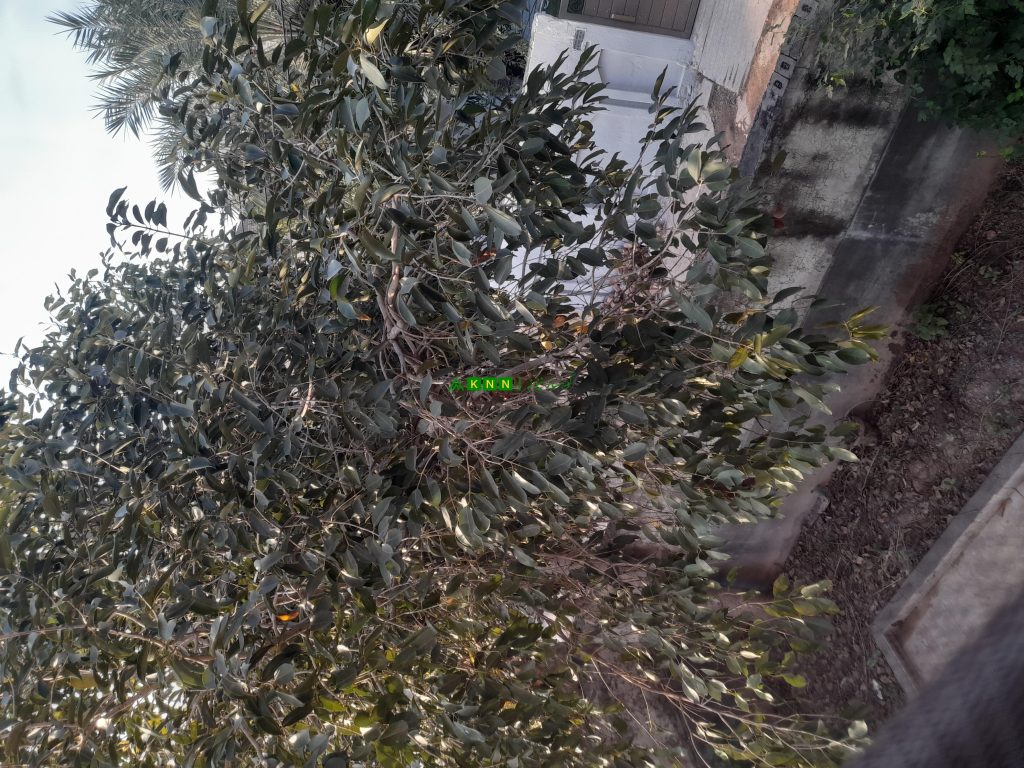
The declination of trees and plants has been widely increasing in the past few years.Unfortunately ,Murree, Galiat and surrounding areas are also a soft target of this insane act.The cutting of trees is what leads to most of the problems in the environment.
Deformation occurs when a large number of trees are cut down with the intent of not replacing them. There are large areas of forests and tropical rainforests that are being cleared for a variety of uses. Cutting down trees is necessary to produce wood for construction, paper and other applications, but logging and other activities that kill trees can potentially lead to negative impacts on ecosystems and the environment as a whole. Large scale tree cutting can lead to deforestation, a transformation of an area from forest to terrain with little vegetation.
We all know that plants create oxygen and absorb greenhouse gases. The destruction of trees may, therefore, encourage global warming. Changing temperatures can alter which organisms can survive in an ecosystem. Cutting trees can result in the loss of habitat for animal species, which can harm ecosystems. According to National Geographic, "70 percent of Earth’s land animals and plants live in forests, and many cannot survive the deforestation that destroys their homes.”Tropical forests like the Amazon rain forest promote a cycle of evaporation and rainfall. Loss of the rain forests could result in warmer and drier climates near the tropics, according to NASA, which could destroy ecosystems that many animal and plants depend on.
As large as some trees are, it’s hard to think of them as movable, but they do, albeit slowly. With environmental changes and human interaction, .trees have moved for survival’s sake.
Scientists cite global warming as being responsible for the northern migration of trees since the ice age. In the 20th century alone, analysis data from migration patterns show a 60-foot difference in locales for trees in six French mountain ranges. This is just one area in which migration patterns are evident.
Bird migration patterns have also had an impact on our moving trees, especially birds that take tree seedlings and bury them in different locales. When trees migrate, they move in groups, like whole forests. New areas start to take root and expand, while the original areas shrink. Seedlings moved by the wind or by birds play a part in this migration. Climate changes play a significant part in determining whether soil compositions and air-moisture ratios are conducive to a particular tree species’ growth. Swedish researchers report a substantial movement of forests’ tree lines over the past two decades. Researchers state that 75 percent of this change is due to the increase in greenhouse gases.